




Tag Archives: cat












HEALTH of SKIN & FUR
There are a number of physical attributes that we can see in our dogs and cats that indicate their health status and breed. A beautiful, quality fur which is the most important one among them usually means that the pet is healthy.
SKIN & FUR
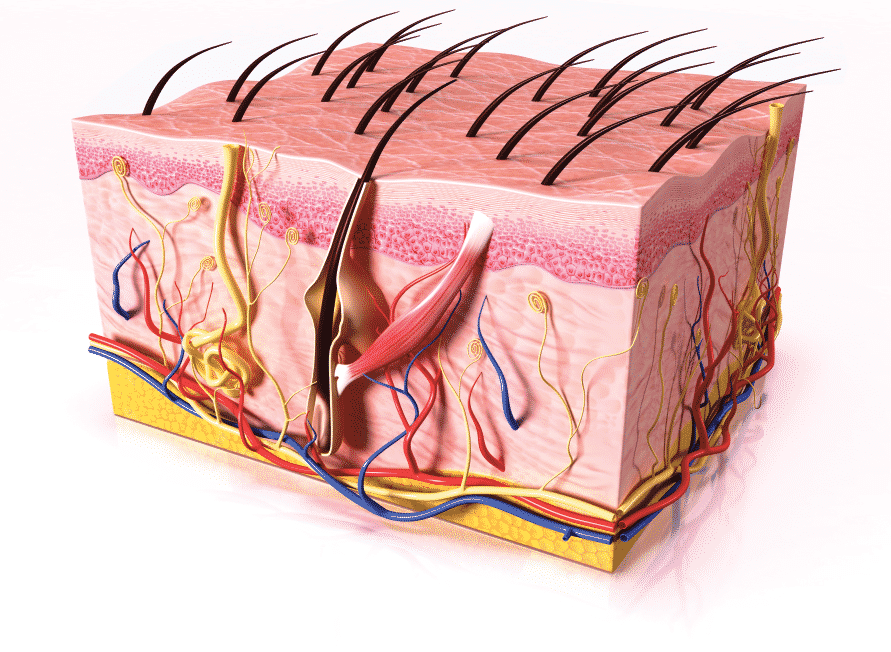
Many symptoms of nutritional deficiency or disease are internal and undetectable to owners. However, the condition of the skin and fur are very visible, obvious indicators that we can use every day.
SKIN
The skin is the largest organ in the body. It protects the body and fulfils a number of metabolic functions. It is the primary barrier for the body, preventing foreign substances and moisture from entering and it maintains the metabolic balance.

WEIGHT MANAGEMENT
It is a well-known fact that the incidence of excessive weight and obesity are increasing rapidly in the human population, fuelled by high calorie foods and snacks and a reduction in energy expenditure. Over the past 10-15 years the same trend has been seen in the pet population and particularly in certain breeds of dog.
FEEDING BEHAVIOUR

Although our pets have evolved considerably during the thousands of years that they have been around man, many of their ancestral feeding behaviours can still be observed today.
In the wild cats will generally obtain food by hunting prey through the night and day, consuming their meals whilst they are fresh and warm. Besides domesticated cats prefer to eat small, frequent meals of freshly served food. Cats are also generally able to moderate their food intake to meet their energy requirements and therefore, so long as the food is nutritionally balanced and of high quality, they should not gain excessive weight.
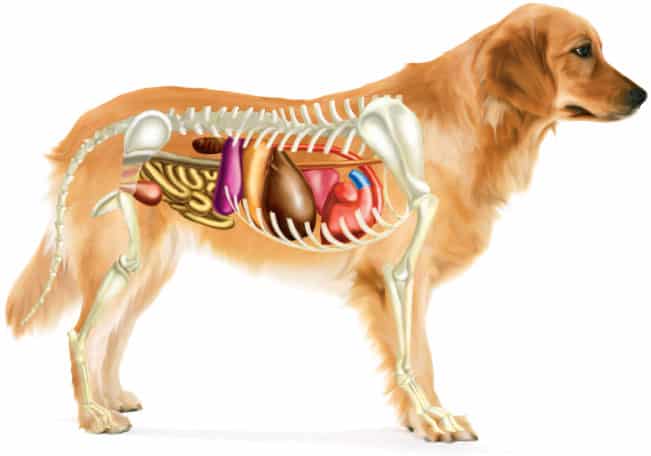
Dogs, however, have evolved from scavenging animals that are opportunist feeders. In the wild they would usually consume the remains of prey that cats leave behind, or fallen animals that had died naturally, and so they had to consume as much food as possible in the shortest period of time, as competition within the pack is usually fierce. Again, we see some of these characteristics in modern dogs, where their focus is on consumption rather than savouring the flavour of the food and the speed and amount of intake is often increased when dogs are fed side by side.
Behaviour plays an important part in the maintenance of bodyweight, as we can adjust how, when and where we feed our pets to better suit their natural requirements.


ORAL CARE
Dental care and hygiene has become one of the main focusses for veterinary and nutritional professionals over the past 20 years. For pet parents, periodontal disease is one of the most obvious early indications of health problems.
In fact, 70% of cats and 80% of dogs now show some signs of periodontal disease, leading to the American Veterinary Dental Society claiming it to be the most common cause of dental problems. Dental care is also a major subject for vet and vet nurse training, with many vets now specialising in dental treatments and referrals.
PET PRODUCTS
Many pet foods and treats now include physical and nutritional aspects specifically designed to improve and maintain oral health. In particular, most functional treat ranges include a dental variety which is designed to be offered daily to maintain healthy teeth and gums.
Although it is generally recognised that physical teeth cleaning with a brush is the best method of protection, the physical abrasion provided by crunchy kibbles also has a significant effect. Large and angular kibbles penetrate deep between the teeth, providing a brushing action that also stimulates the gums.
Over the last 10 years there has also been a growth in the number of dental chews available. Many include ingredients and additives to reduce dental decay, but most promote a chewing action that stimulates saliva production, which helps to combat substances that induce periodontal disease.

PAW & CLAW INTEGRITY
The health of our pets’ feet is also very important. Every day they are not just used for traction and grip, but also for sensing their surroundings, providing impact resistance, and for maintenance of body temperature. A significant amount of effective protection can be provided with appropriate nutrition.
Nutritional deficiencies are often manifested by changes in the skin and paw pad.
Like the skin, paw pads require the supply of a variety of nutrients, including biotin, vitamins A, E, and C, nutritional lipids and minerals.
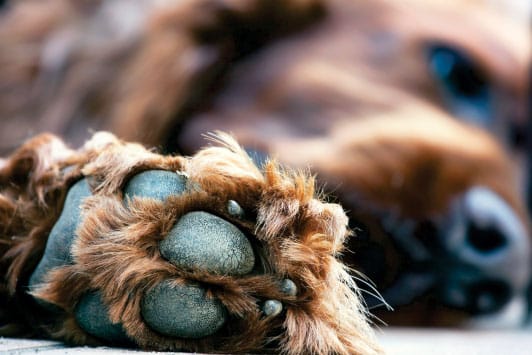 PAW PAD STRUCTURE
The skin on the paw pads of our dogs and cats is very different to most of the skin covering the rest of the body. Apart from being absent of hairs and follicles, it is also very strong and thick, whilst still being flexible and soft.
As the pads wear, cracks can begin to appear, allowing access to harmful bacteria and yeasts, and the feet can become inflamed and heated, leading to pain and a resistence to place weight upon them.
This reduced activity can then lead to excessive weight gain which, in turn can compound the stress and weight on the pads.
STRONG BONES & JOINT STRUCTURE
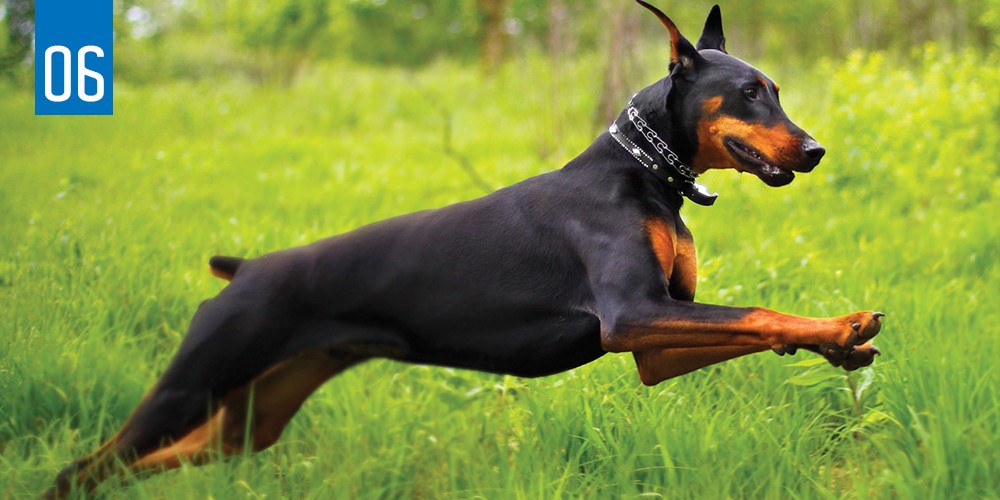
For dogs and cats a lack of exercise can lead to numerous other health issues, and so the more active we can maintain our pets, the healthier they will be.
If we provide our pet friends to be active by supplying them foods that contain the right nutrients, we can offer a happy, healthy and enjoyable life not only to them but also to ourselves as their parents.
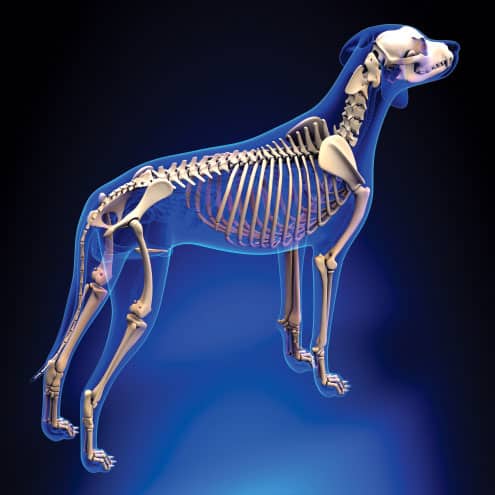 SKELETON
Throughout life, bone is continuously being created and strengthened, but is also being broken down to liberate the stored calcium and phosphorus for other purposes in the body.
The correct dietary levels of calcium, phosphorus, magnesium and vitamin D are particularly essential to maintain bone formation. Vitamin D stimulates the body to create bone tissue, whilst calcium, phosphorus and magnesium make up the solid bone matrix. It is particularly important to achieve the correct ratio of calcium and phosphorus in the diet, and this ratio should closely match that of bone itself.

OPTIMUM VITAMIN NUTRITION
Vitamins are essential organic nutrients that our pets must obtain via the diet, as they are not able to synthesise sufficient quantities themselves.
Their discovery and understanding of their functions is one of the major achievements in nutrition over the past decade and have led to huge advances in health and longevity. Vitamins are essential for growth, reproduction, metabolism, health and overall survival and are present in variable quantities in most foodstuffs. Diet supplementation is common to overcome this variability, along with losses incurred by cooking and storage of foods.
FAT SOLUBLE VITAMINS
Vitamins A, D3, E and K exist naturally as oils and hence are fat soluble. They are stored in the body within fat reserves and various organs, such as the liver and kidneys, and can accumulate to potentially toxic levels if over-consumed.
Vitamin A – is a key vitamin in the development and maintenance of vision, and deficiency can lead to blurred vision and blindness. It is also important for the integrity of mucous membranes and the maintenance of an effective immune system, and therefore low body reserves can impact on disease resistance, tissue keratinisation and fertility. Although high levels can be found in some animal fats, such as fish oils, cat and dog food are often supplemented with vitamin A in the form of stabilised retinyl acetate.
Vitamin D3 – associated with the development and maintenance of healthy bones and teeth, vitamin D3 modulates the assimilation and dissolution of calcium, phosphorus and magnesium into these tissues. Deficiency is associated with weak and malformed bone conditions, such as rickets and osteomalacia.
Vitamin E – alpha-tocopherol is commonly added to cat and dog foods, and acts as a cellular antioxidant to support the body’s immune system. It is also important for membrane integrity and energy production within cells, and deficiency is associated with reduced fertility, muscle degeneration, and lethargy.
Vitamin K – the key function of vitamin K is the maintenance of blood coagulation. And it reduces the risk of bleeding. Although small quantities can be synthesised within the body from other compounds, dog and cat foods are commonly supplemented with heat-stable forms.
 WATER SOLUBLE VITAMINS
As their name suggests, these vitamins are soluble in water and hence can be excreted via the urine. For this reason, toxicity is rare, as they do not generally accumulate in the body, which also means that they must be provided on a daily basis via the diet.
Vitamin B1 (Thiamine) – is important for the metabolism of carbohydrates and proteins, and is involved in the functioning of the nervous system. Early signs of deficiency are associated with loss of appetite and diarrhoea, followed by fatty liver and heart, convulsions, and gastrointestinal haemorrhage.
Vitamin B2 (Riboflavin) – has antioxidant functions, as well as metabolic actions and involvement in ligament integrity. Low body reserves result in poor coat condition and dermatitis, cataracts, growth abnormalities, and mucosal inflammations.
Vitamin B6 (Pyridoxine) – pyridoxine’s main function is in the metabolism of proteins, and dietary deficiency leads to fatty liver, ataxia, convulsions, diarrhoea and vomiting.
Vitamin B12 (Cholecalciferol) – is important in the maintenance of blood cells and protein metabolism. Although required in minute quantities by the body, deficiencies can lead to anaemia, growth defects, organ failure and poor coat condition.
Niacin – is required for the metabolism of proteins, carbohydrates and fats, as well and the maintenance of skin integrity. Dermatitis and ulceration and common symptoms of deficiency, along with anorexia and bone deformations.
Pantothenate – is involved in amino acid metabolism and skin integrity and low body status results in skin lesions, dermatitis, blindness, and depressed immunity.
Folate – is required for efficient amino acid metabolism and immune support. Deficiency results in poor growth, poor skin conditions, anaemia, and reduced fertility.
Biotin – biotin is involved in the metabolism of fats, carbohydrates and proteins and, although it can be synthesised within the body, a deficiency can quickly result in poor coat conditions, joint stiffness, and reduced fertility.
Vitamin C – is an important antioxidant which supports the immune system of the body. It is also important for the correct functioning of hormones involved in processes such as bone calcification. Deficiency is associated with prolonged healing, haemorrhaging depressed immunity and bone deformation.
TISSUE PROTECTION
It is estimated that 75% of all non-accidental deaths in dogs are caused by cancer, renal failure, or heart disease, with many of these being age related. Evidence suggests that many of these conditions are exacerbated and perhaps caused by the damaging effects of free radicles, particularly during early years when tissues are developing and maturing.
Free radicles are natural by-products of metabolism, but are produced in larger quantities during stress and tissue injury. They attack cellular membranes, nucleic acids, and proteins, which can lead to cell necrosis, genetic damage and protein malformation.
Vitamins E, C and beta-carotene can prevent or reduce the negative impact of these compounds, and hence reduce the incidence of a number of associated illnesses.
Dietary supplementation above the minimum nutritional requirement has also been shown to reduce healing time and aid recovery from high stress situations, like weaning or extreme activity.
HEART HEALTH
Heart disease in dogs is increasing in many countries, and is particularly prevalent in larger breeds.
Antioxidant vitamins can assist in the prevention of artherosclerosis by inhibiting the modification of lipoproteins, which is an important initial step in the creation of these blood restricting compounds. Reactive oxygen species, such as hydro peroxides, also attack cardiac tissues directly and so antioxidant vitamins can also protect these sensitive tissues by inactivating and neutralising these compounds.
Hypertension, is also associated with cardiovascular disease, whereby the kidneys ability to excrete sodium is impaired, leading to fluid retention and congestive heart failure. Antioxidant vitamins can reduce this effect by aiding blood flow and improving renal and hepatic efficiencies.
CANCER & TUMOURS
Cancer is defined as uncontrolled cell proliferation and is a highly diverse and complicated disease. The transformation of a normal cell into a cancerous cell involves initiation, promotion and progression stages, and the genetic mutation can be induced by radiation, mutagens or pro-oxidants.
Vitamins C and E are known to block the formation of mutagenic compounds, such as nitrosamines created from nitrite ingestion, and so have been suggested as anti-cancer treatments.
In addition, their antioxidant properties help to support the body’s immune system and hence enable the body to fight potential carcinogens.
- 1
- 2